
Homeowners ·
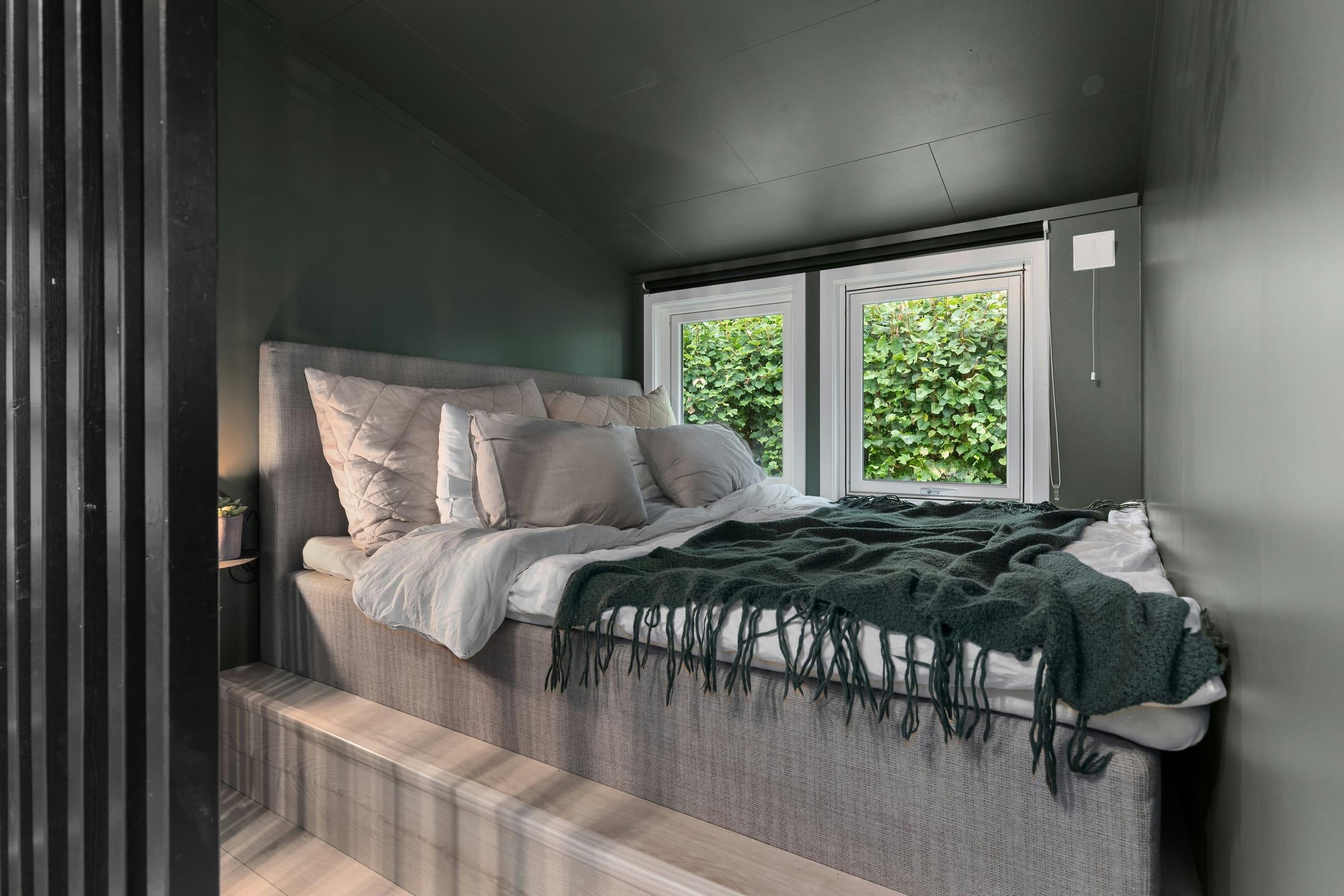
How To Maximize A Small Living Space
Make a small home feel bigger: use vertical space, glass and mirrors, stackable appliances, raised furniture and an outdoor living area.
For homeowners
By Philip Zotti · Published Dec 21, 2023 · Updated Sep 25, 2026
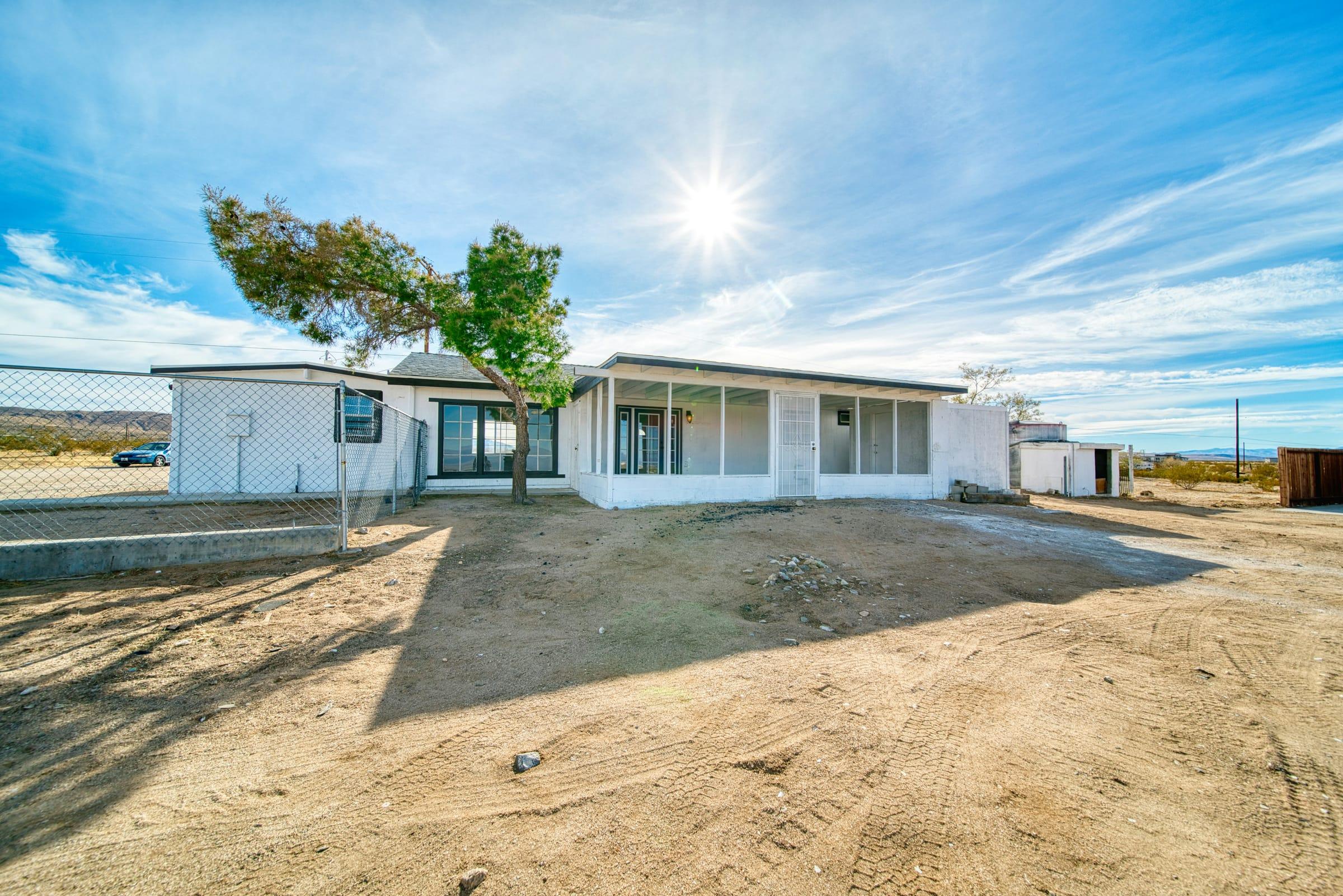
Ten ways to make your home more energy-efficient, from an energy audit and LED bulbs to weatherstripping, a smarter thermostat and a sealed attic.
Not long ago, talk of making your house "greener" might have gotten you labeled a hippie tree-hugger. But times change, and as gas, electricity and water prices creep up, more homeowners are seeing the (strong) advantages of considering the environment when they make decisions about their household.
Want to make your home more energy-efficient and save money in the bargain? You have plenty of options, from cheap to expensive. Read on to see whether there are big (or small) energy-saving opportunities you're missing.
Many utility companies offer an energy audit, sometimes for free, so check what yours provides. They'll send an expert to look at your appliances, lights, windows, doors and more, then recommend changes that will save energy (and money) every month.
If you want a personalized rundown of everything you could do to make your house more energy-efficient and environmentally friendly, an energy audit is a must.
LED and compact fluorescent bulbs cost more than incandescent bulbs, but they last at least 10 times longer and use only about 25% of the energy.
As your incandescent bulbs burn out, replace them with a greener alternative. If you swap them all at once, you'll start seeing a difference in your utility bills pretty quickly.
You can do a lot to heat and cool your home without spending any money, but you'll need to keep tabs on where the sun is in the sky.
In the Northern Hemisphere, south-facing windows get the most direct sunlight, so start with those. Note whether and when the sun shines into your home in each season, then adjust your habits (and your blinds) accordingly.
Especially in older houses, windows aren't always airtight, which means drafts can sneak hot or cold air into your home against your wishes.
Weatherstripping is a relatively cheap and easy fix that keeps what's outside from creeping inside, and vice versa. It takes a trip to the hardware store and a few minutes per window.
Hot water feels amazing in the shower. But your water heater is constantly working to keep its water hot, and if the setting is high, "consistently hot" takes a lot of energy to maintain.
Check your water heater's settings and ask yourself whether the water really needs to be that hot. Turning it down even five or ten degrees can lead to surprising savings, and you may not notice the difference once you're mixing the hot water with cold.
Depending on where you live, the weather may be an asset you haven't tapped yet. You can't use rainwater for much: you can't drink it, and you won't want to cook, wash dishes or bathe with it. But if you keep a cistern of rainwater in your yard, you'll always have a green way to water your grass and flowers in the spring and summer.
If you like long showers, this fix is especially helpful: replace your showerhead with a low-flow version that uses less water. Many have several pressure and spray settings so you can customize your shower, and you probably won't notice you're using significantly less water once you make the switch.
You don't necessarily need a "smart" thermostat (although changing the temperature from an app on the couch is nice, just saying!). But if your thermostat can't be set to change the temperature at different times of day, you should definitely invest in one that can.
For example, you could set the thermostat back 10 to 15 degrees while you're at work, then have it start bringing the temperature back to "normal" 30 minutes to an hour before you get home. Many thermostats also let you set temperatures by day of the week, so if you're almost never home on Saturday night or Sunday morning, you can adjust accordingly.
Heat rises, inside your house as much as outside. That means a drafty attic can cost you a lot of energy keeping the house warm in winter, and it won't do you any favors in summer, either. An uninsulated basement can also let cold air in during the winter and cool air out during the summer.
Check whether your attic and basement (if you have one) are air-sealed and insulated. If not, consider investing in an upgrade.
If you live where grass grows like weeds and you don't need to water, keeping a lawn might make perfect sense, but you'll still need to mow it regularly. A greener alternative to a riding or motorized push mower is an old-fashioned manual push mower. They work, and since you're powering the blades with elbow grease instead of gasoline, you'll get a workout while you mow.
Making your home more energy-efficient can be as simple as turning off the water to rarely used sinks and toilets, or as involved as replacing appliances and installing solar panels. Figure out your ideal level of investment and take things one step at a time. Before you know it, you'll have a green home that saves money without sacrificing comfort.
Shopping for an Antelope Valley home and curious about its energy features, or planning upgrades before you sell? Team Zotti is happy to talk it through.
Homeowners ·
Make a small home feel bigger: use vertical space, glass and mirrors, stackable appliances, raised furniture and an outdoor living area.
Homeowners ·
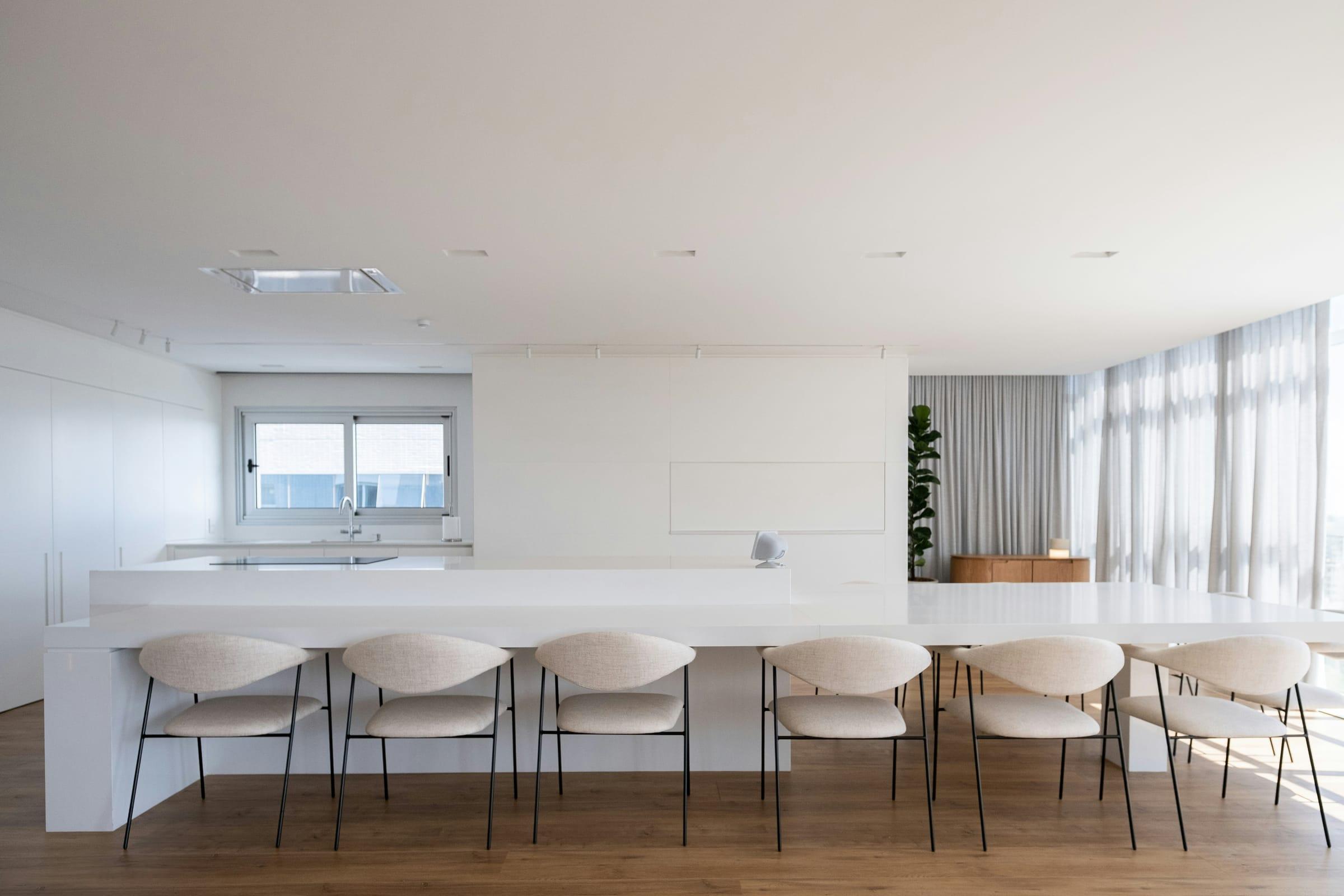
Deep-clean your home without getting overwhelmed: make a list, work top to bottom, declutter, and don't skip the windows, light fixtures or appliances.
Buyers ·
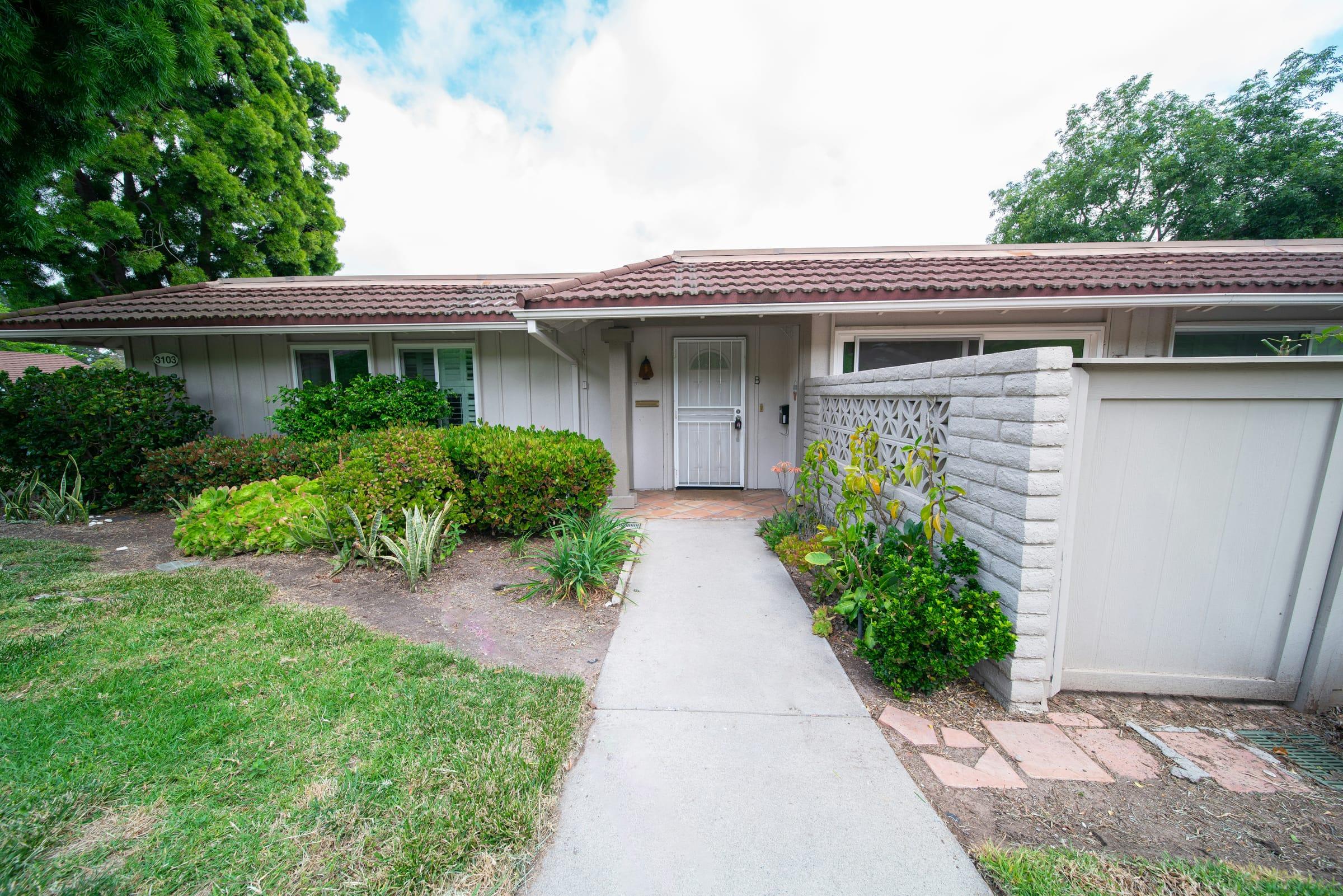
VA loans, credit union financing, new-home builder incentives and help from Z/Real Estate: four ways to lower the cost of buying a home.
Contact Team Zotti
Real people, open daily 8:00 AM – 5:00 PM. Most messages get an answer the same day — in English or Spanish.